Keeping your VAT records organised doesn’t have to feel like a yearly scramble. If you’re juggling receipts, deadlines, and HMRC rules, it’s easy to get overwhelmed. We’re here to show you practical ways to organise VAT records all year round using cloud accounting tools. Let’s make VAT filing simpler, so you can focus on growing your business without the stress. For more tips on maintaining your VAT records, check out this guide.
Organise VAT Records with Ease
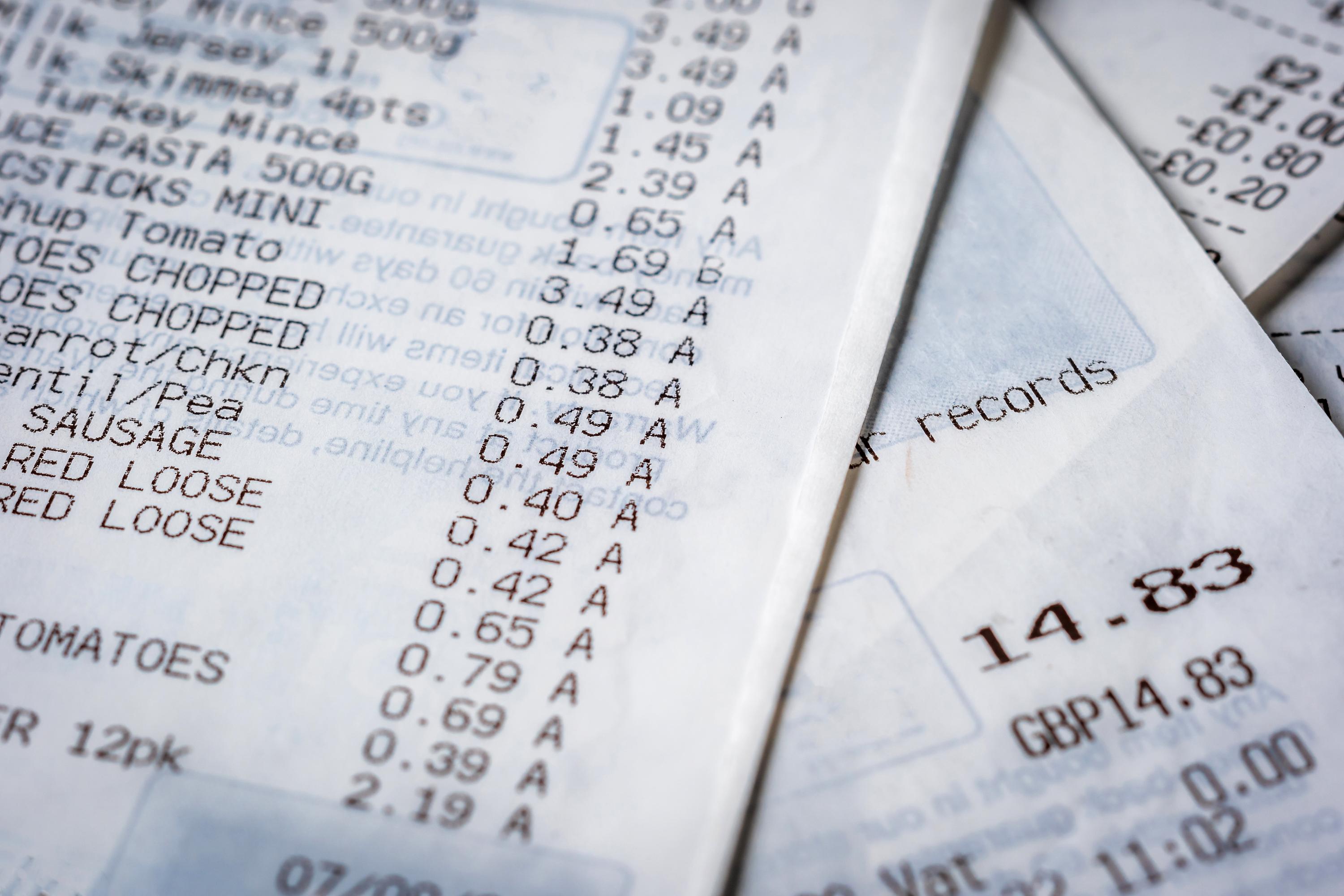
Imagine a world where VAT record keeping is less about scrambling for receipts and more about clarity and control. Step into the future of accounting with cloud-based solutions.
Understanding Cloud Accounting for VAT
Cloud accounting is the cornerstone of modern VAT management. You might wonder how it all works. Simply put, these platforms store your financial data online, making it accessible anytime, anywhere. This means no more hefty paper files. Instead, you have everything at your fingertips. With cloud accounting, updates are automatic, ensuring you’re always using the latest features to manage your finances efficiently. Security is another major plus. Your data is encrypted and regularly backed up, so you never have to worry about losing important information.
Essential Tools: Xero and QuickBooks VAT
Choosing the right tool is crucial. Xero and QuickBooks are standout options for managing VAT. Why? They’re user-friendly and packed with features that simplify VAT returns. Xero offers real-time tracking of your VAT liabilities, giving you a clear picture of what you owe. QuickBooks, on the other hand, provides automated VAT calculations, reducing the chances of errors. Both platforms offer integrations with various apps, enhancing their functionality. These tools aren’t just about numbers; they’re about peace of mind. With them, you can focus on your business while they handle the VAT intricacies.
Benefits of Digital Record Keeping HMRC
Switching to digital can seem daunting, but the benefits are immense. Digital record keeping aligns with HMRC requirements, ensuring you’re always compliant. It offers transparency, as every transaction is recorded and easily retrievable. This clarity is invaluable during audits, saving you from last-minute panics. Moreover, digital systems streamline the entire process, reducing the time spent on manual entries and paperwork. The longer you stick with outdated methods, the more you’re missing out on these efficiencies. Embrace digital, and you’ll find that VAT management becomes a less daunting task.
VAT Record Keeping UK Tips

Moving to practical strategies, here’s how you can streamline your VAT processes further. These tips are designed to integrate seamlessly with your existing system.
Making Tax Digital for VAT
The UK government’s Making Tax Digital (MTD) initiative is transforming how businesses handle their VAT. The core idea is simple: keep digital records and submit returns online. This transition may seem challenging, but it’s a game-changer. By using MTD-compliant software, you ensure accuracy in your submissions. The software automatically updates with any changes in regulations, so you remain compliant without extra effort. It’s designed to save you time and reduce errors, which are common with manual entries. Most people think it’s okay to ignore such advancements, but embracing MTD is an investment in your business’s future.
Receipt Capture App UK Solutions
Managing receipts can be a breeze with the right app. Imagine snapping a photo of your receipt and having it automatically sorted and stored. That’s what receipt capture apps offer. These apps integrate with your accounting software, making manual entry a thing of the past. For UK businesses, apps like Receipt Bank or Expensify are excellent choices. They simplify the process, allowing you to focus on more important tasks. Your receipts are organised, categorised, and ready for VAT submissions. With this simple tool, you eliminate the risk of lost receipts and the stress of manual logging.
Bank Feeds Reconciliation Simplified
Bank feeds integration is a feature that transforms reconciliation. With automatic updates of your bank transactions, you can easily match them with your accounting entries. This accuracy means fewer discrepancies and a smoother reconciliation process. Platforms like Xero and QuickBooks offer seamless bank feeds, ensuring your financial data is always up to date. By reconciling regularly, you’re proactive in managing your finances, avoiding last-minute rushes before VAT deadlines. The longer you wait to adopt this feature, the more you’re missing out on streamlined financial management.
Stay Compliant and Stress-Free

Staying compliant with VAT regulations doesn’t have to be stressful. With the right strategies, you can navigate the process with ease and confidence.
HMRC VAT Compliance Made Simple
Compliance is key in VAT management. But how do you ensure you’re always on the right track? Start by understanding HMRC’s requirements. Regularly updating your accounting software and keeping accurate records is crucial. This way, when HMRC updates guidelines, you’re already prepared. Partnering with experts like us ensures you receive timely advice and support. We help you navigate the complexities, ensuring you’re always compliant. Most businesses think they’re compliant, but regular audits can reveal otherwise. Stay ahead by being proactive in your compliance efforts.
Navigating VAT Schemes UK
Understanding VAT schemes can seem complicated, but it doesn’t have to be. The UK offers several schemes tailored to different business needs, like the Flat Rate Scheme and Cash Accounting Scheme. Each has its benefits and requirements. Choosing the right scheme can significantly impact your cash flow and administrative burden. For instance, the Flat Rate Scheme simplifies VAT calculations, making it ideal for businesses with a straightforward expense structure. To make an informed choice, consider consulting with experts who can guide you through the nuances of each scheme.
VAT Audit Trail and VAT Reconciliation
A robust audit trail is your best defence during HMRC checks. Keeping an organised record of your transactions, with every entry traceable back to the source, is crucial. This clarity not only aids in audits but also in daily management. VAT reconciliation ensures your records match, highlighting any discrepancies early on. Regular reconciliation is a proactive step in maintaining financial health. By keeping a meticulous audit trail, you safeguard your business from potential issues, ensuring peace of mind. Don’t wait for an audit to start; make it a regular practice.
In summary, organising your VAT records with cloud-based solutions like Xero and QuickBooks makes compliance stress-free. Digital tools streamline your processes, ensuring accuracy and efficiency. Embrace these advancements for a smoother VAT management experience.