Most small business owners spend hours wrestling with numbers that don’t tell the full story. Your monthly management accounts should do more than list figures—they need to highlight what matters for your next move. We’re here for you with clear insights from Xero or QuickBooks management reports that turn data into decisions you can trust.
Key Components of Management Accounts
Your monthly management accounts serve as a compass for your business, guiding you with detailed insights. Here’s how they break down:
Profit & Loss and Gross Margin
Understanding your Profit & Loss statement is crucial. It tells you whether you’re making money or losing it. The gross margin, the difference between sales and production costs, shows how efficiently you’re operating. By focusing on these numbers, you can make informed decisions about pricing and cost management. For example, if your gross margin is declining, it might be time to review supplier contracts or adjust pricing strategies.
Balance Sheet and Movement Highlights
The balance sheet is like a snapshot of your business’s financial health at a specific moment. It lists assets, liabilities, and equity, showing what you own and owe. Understanding movement highlights within your balance sheet helps track changes over time, like an increase in debt or a rise in investment. This gives you the ability to forecast potential financial needs or opportunities for expansion.
Cash Flow Summary and Forecast
A cash flow summary shows how money moves in and out of your business. It highlights liquidity and helps predict future cash needs. A cash flow forecast enables you to plan for periods when cash might be tight. By understanding these patterns, you can avoid surprises and ensure you have enough funds to cover expenses and seize opportunities.
Cloud Tools for Faster Insights

Utilising cloud tools can transform how quickly and accurately you get insights from your management accounts. Let’s see how they help:
Benefits of Xero Management Reports
Xero management reports provide real-time data, so you always have the latest figures. This means you can make quick decisions without waiting for month-end reports. You can customise reports to see the details that matter most to your business. Whether it’s tracking specific expenses or monitoring monthly sales, Xero helps you focus on what’s important.
QuickBooks for Clear Decision-Making
Similarly, QuickBooks offers powerful tools that simplify data analysis. With its user-friendly interface, you can quickly generate reports that help identify trends and areas for improvement. Whether you’re tracking project profitability or analysing customer spending patterns, QuickBooks makes it easier to make informed decisions.
Automating Data Capture
Automation is a game-changer in accounting. By automating data capture, you reduce manual entry errors and save time. Tools like receipt capture apps streamline the recording process, ensuring your records are accurate and up-to-date. This efficiency not only saves you hours of work but also provides confidence in your financial data.
Tailored Management Reporting Setup
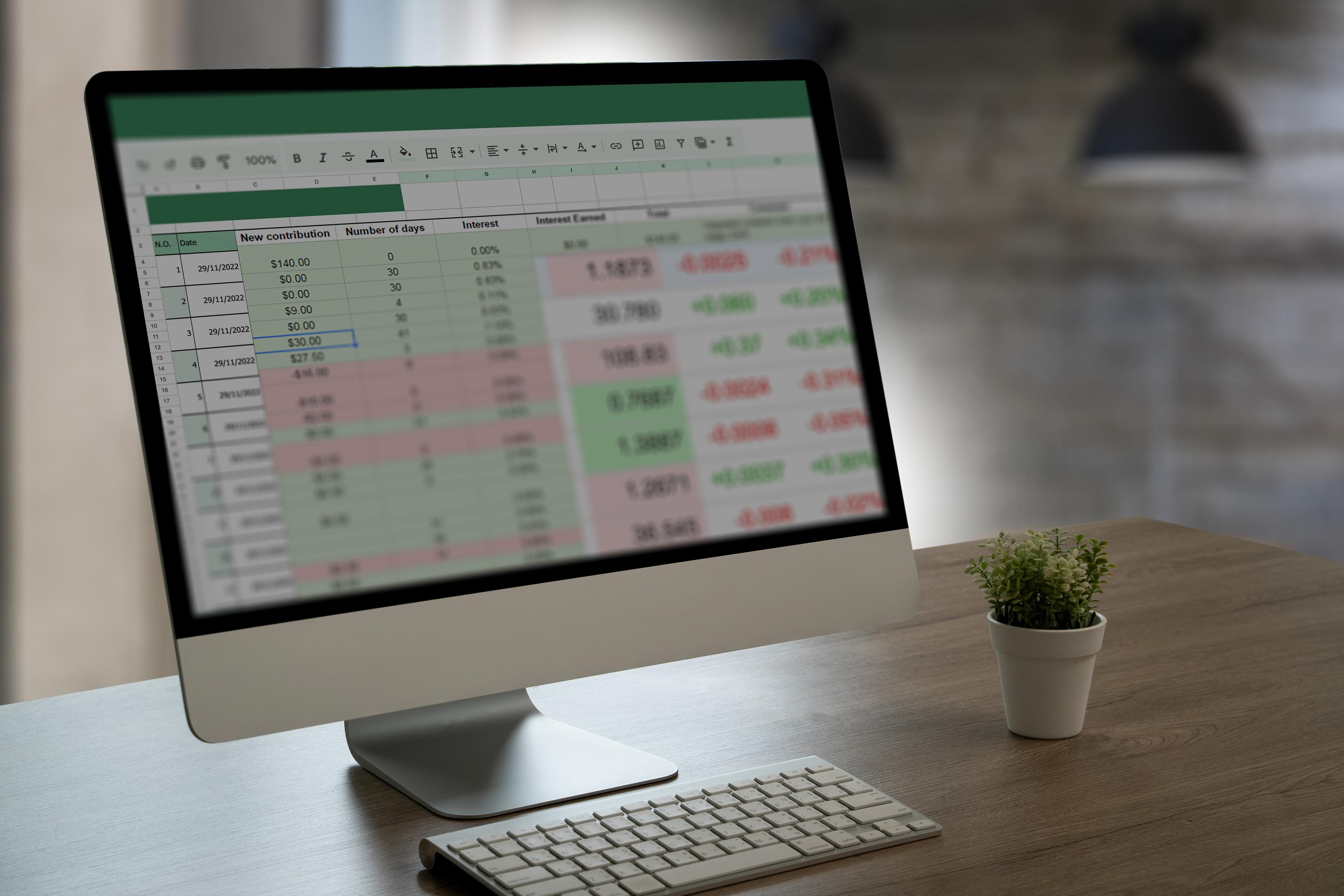
Every business is unique, and your management reports should reflect that. Here’s how to customise them to your needs:
Custom KPI Dashboards
Creating custom KPI dashboards allows you to track metrics that matter most to your business. Whether it’s sales growth, customer retention, or employee productivity, having these KPIs at a glance empowers informed decision-making.
Budget vs Actual Variance Commentary
Understanding the budget vs actual variance helps identify where you’re on track and where adjustments are needed. Commentary on these variances provides context, helping you understand why deviations occur. This insight is crucial for setting realistic future budgets and strategies.
Debtor and Creditor Ageing Actions
Monitoring debtor and creditor ageing is vital for cash flow management. By keeping track of who owes you money and whom you owe, you can manage cash flow better and maintain healthy financial relationships. Taking timely actions on overdue accounts ensures your business remains financially stable.
Frequently Asked Questions
Why are management accounts important?
Management accounts provide insights into the financial health of your business, helping you make informed decisions. They offer detailed views of profitability, cash flow, and financial stability, enabling proactive management.
How can cloud tools improve financial reporting?
Cloud tools like Xero and QuickBooks offer real-time data access, customisable reports, and automation features that enhance accuracy and save time. These tools make financial reporting more efficient and insightful.
What should I include in my KPI dashboard?
Your KPI dashboard should include metrics relevant to your business goals. Common KPIs are sales growth, gross margin, customer acquisition cost, and employee productivity. Tailor these to reflect your business’s unique needs and priorities.
How can I improve my cash flow management?
Improving cash flow management involves regular monitoring of cash inflows and outflows, creating accurate forecasts, and managing debtor and creditor ageing. Using cloud tools to automate and streamline these processes can also significantly enhance cash flow management.
What is the benefit of automating data capture?
Automating data capture reduces errors, saves time, and ensures your financial records are accurate and up-to-date. It allows you to focus on analysis and decision-making rather than manual data entry.