
Making Tax Digital (MTD) for Income Tax is set to transform how sole traders manage their tax affairs in the UK. From April 2026, HMRC will require eligible sole traders to maintain digital records and submit quarterly updates instead of the traditional annual Self Assessment. This represents the most significant change to sole trader taxation in decades.
What Is Making Tax Digital for Income Tax?
Making Tax Digital for Income Tax is HMRC’s initiative to modernise the tax system by requiring digital record-keeping and more frequent reporting. The system aims to:
- Replace paper-based record-keeping with digital systems
- Introduce quarterly reporting instead of annual submissions
- Reduce errors and improve tax compliance
- Streamline the tax process for both taxpayers and HMRC
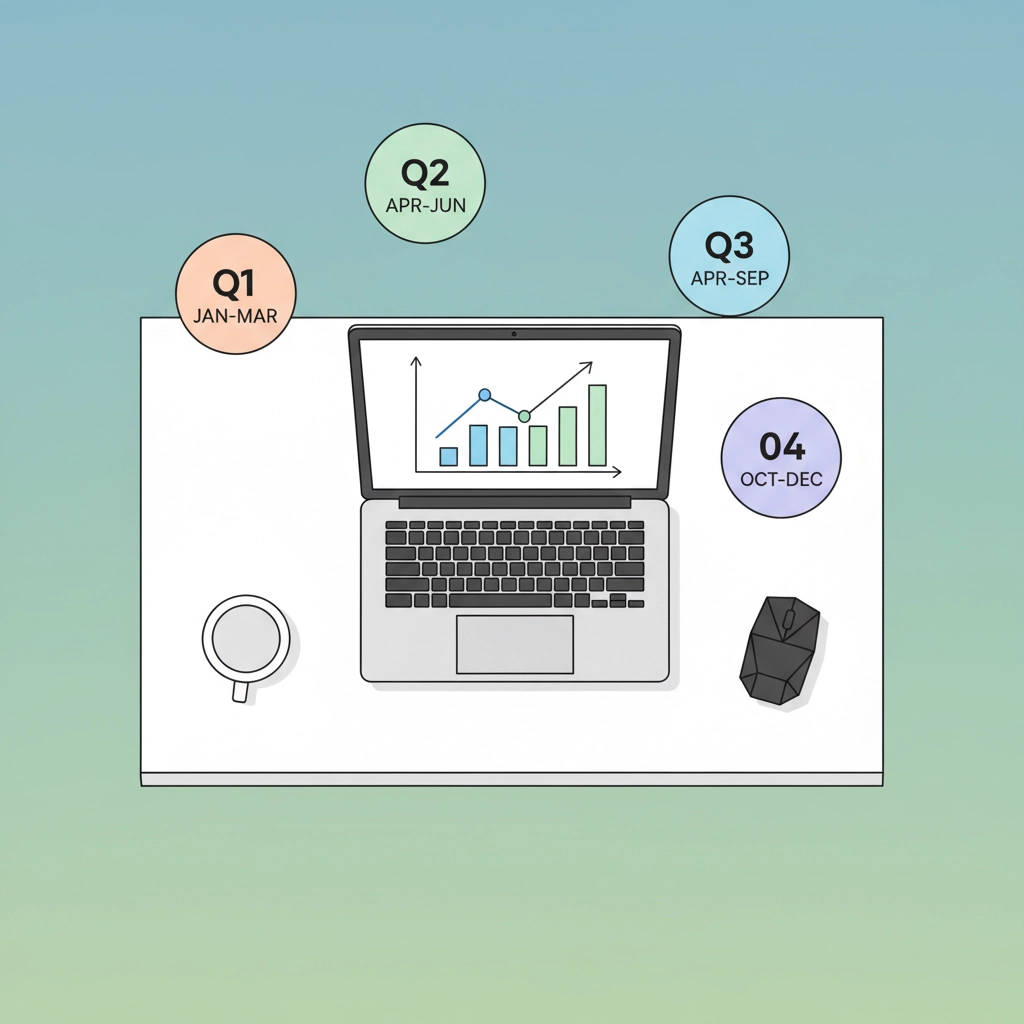
Unlike the current system where you submit one Self Assessment return annually, MTD requires you to provide HMRC with regular updates throughout the tax year using approved software.
Who Must Comply from April 2026?
MTD for Income Tax becomes mandatory on 6 April 2026 for:
Income Threshold Requirements
- Sole traders with gross income from self-employment exceeding £50,000
- Landlords with gross property rental income exceeding £50,000
- Combined income from self-employment and property exceeding £50,000
Key Points About the Threshold
- The £50,000 threshold applies to your 2024-25 tax year income
- HMRC determines eligibility based on your Self Assessment return
- Income from all self-employed trades and property businesses is combined
- The threshold refers to gross income before expenses and deductions
Who Is Not Affected Initially
- Sole traders earning below £50,000 annually
- PAYE employees without self-employment income
- Companies already subject to MTD for Corporation Tax
- Those with only employment income
The Phased Rollout Timeline
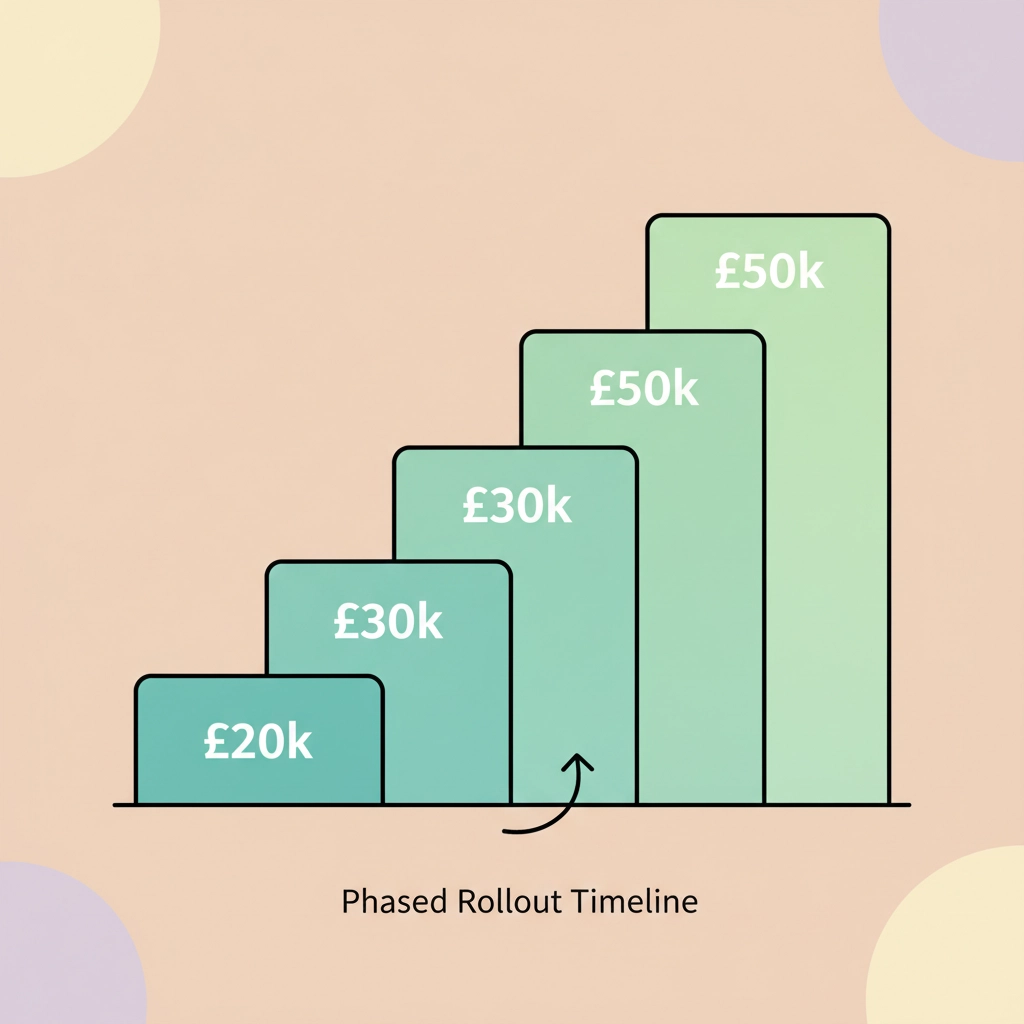
HMRC is implementing MTD for Income Tax in stages based on income thresholds:
Phase 1: April 2026
- Threshold: £50,000+ annual income
- Affected: Approximately 1.2 million sole traders and landlords
Phase 2: April 2027
- Threshold: Reduces to £30,000+ annual income
- Additional affected: Hundreds of thousands more taxpayers
Phase 3: April 2028
- Threshold: Further reduction to £20,000+ annual income
- Additional affected: Approximately 900,000 additional people
Special Consideration
Individuals completing residence pages on their tax returns receive a one-year deferral until April 2027 due to non-domicile regime changes.
Core Requirements Under MTD
Digital Record-Keeping
You must maintain all business records digitally using HMRC-approved software. This includes:
- Income records: All sales, receipts, and revenue
- Expense records: Business costs, purchases, and deductible expenses
- Asset records: Equipment, vehicles, and capital items
- Mileage logs: Business travel and vehicle expenses
Quarterly Reporting
Instead of annual submissions, you must provide quarterly updates:
- Due dates: Every three months throughout the tax year
- Content: Income and expenditure summaries for the quarter
- Method: Electronic submission through MTD-compatible software
- Deadlines: Strict quarterly submission deadlines apply
End-of-Year Requirements
Even with quarterly reporting, you still need to:
- Submit a final annual return
- Provide any additional information not covered in quarterly updates
- Calculate and pay any remaining tax due
- Meet annual Self Assessment deadlines
Approved Software Requirements
Software Selection Criteria
MTD-compatible software must:
- Be recognised by HMRC as MTD-approved
- Connect directly to HMRC systems
- Store records digitally
- Generate quarterly submissions automatically
- Maintain audit trails
Types of Approved Software
- Cloud-based accounting packages: Online systems accessible from any device
- Desktop software: Installed programs with MTD connectivity
- Mobile apps: Smartphone applications for record-keeping
- Integrated solutions: Comprehensive business management systems
Cost Considerations
- Software costs vary from free basic packages to comprehensive paid solutions
- Monthly subscription models are common
- Annual licensing options may offer better value
- Consider features needed for your specific business type
Exemptions and Special Cases
Automatic Exemptions
The following groups are exempt from MTD requirements:
- Ministers of religion: Automatic exemption applies
- Blind Person’s Allowance recipients: Exempt from digital requirements
- Foreign entertainers: Special exemption category
- Digital exclusion cases: Those unable to use digital systems
Voluntary Exemptions
You may apply for exemption if:
- Age or disability prevents digital engagement
- Geographical location lacks reliable internet access
- Religious beliefs conflict with digital record-keeping
- Other exceptional circumstances apply
New Business Considerations
- Businesses starting between 6 April 2025 and 5 April 2026 don’t need immediate compliance
- MTD requirements begin after your first Self Assessment submission
- Early voluntary registration is available
- Consider joining HMRC’s testing programme
Preparing for MTD Implementation
Immediate Steps to Take
1. Assess Your Current Position
- Calculate your 2024-25 gross income from self-employment and property
- Determine if you’ll be affected by the April 2026 rollout
- Review your existing record-keeping methods
- Identify gaps in your current systems
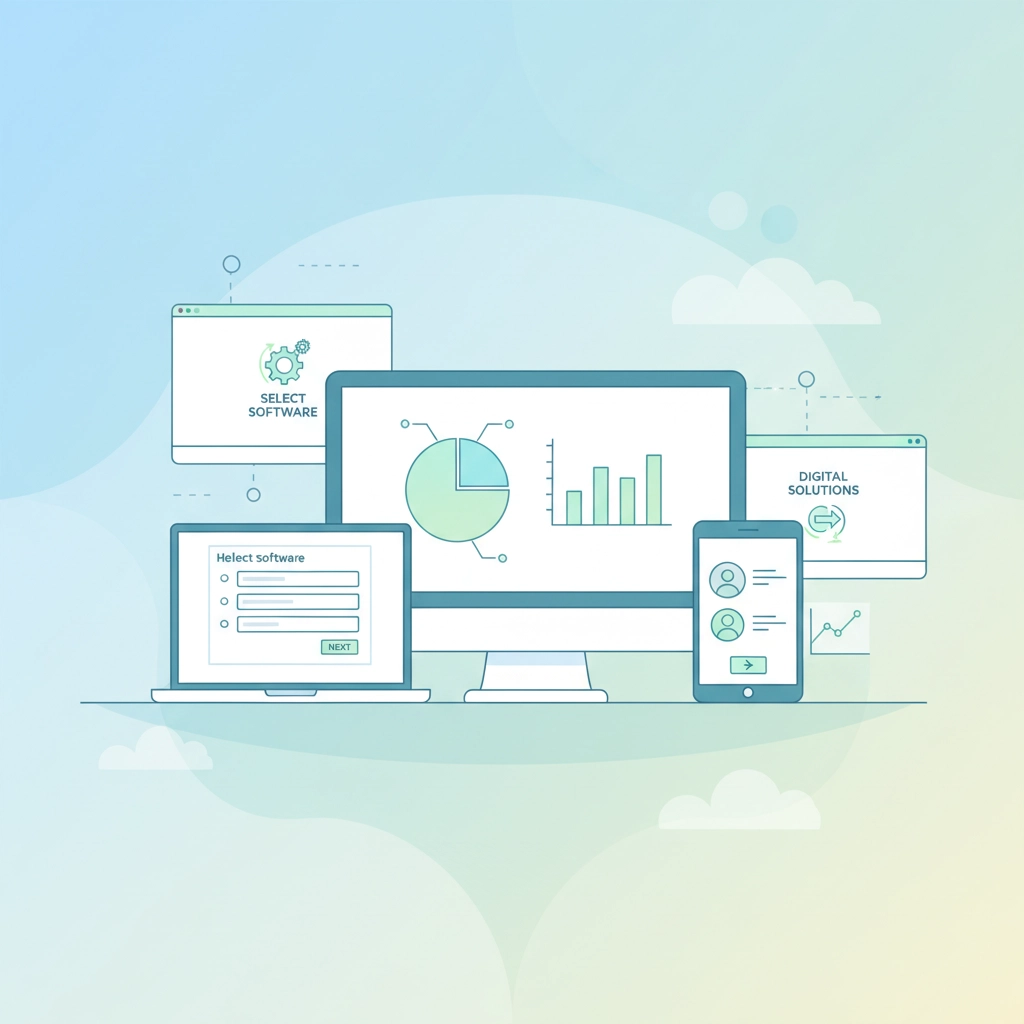
2. Research Software Options
- Compare HMRC-approved accounting software packages
- Consider your specific business needs and complexity
- Test free trials of potential solutions
- Evaluate integration with existing systems
3. Upgrade Your Record-Keeping
- Transition from paper-based systems to digital alternatives
- Establish consistent data entry procedures
- Create backup and security protocols
- Train yourself or staff on new systems
Medium-Term Preparation
Register for Self Assessment
If not already registered:
- Apply for a Unique Taxpayer Reference (UTR)
- Set up Government Gateway credentials
- Understand your current tax obligations
- Ensure all previous returns are up to date
Consider Early Adoption
- Join HMRC’s MTD pilot programme
- Gain experience with quarterly reporting before it becomes mandatory
- Test your chosen software under real conditions
- Build confidence with the new system
Professional Support
- Consult with accountants or tax advisors
- Understand how MTD affects your specific business
- Consider outsourcing MTD compliance
- Evaluate cost-benefit of professional assistance
Impact on Cash Flow and Tax Planning
Quarterly Payment Implications
MTD may affect when you pay tax:
- Payments on account: May change based on quarterly submissions
- Cash flow planning: More frequent reporting enables better financial planning
- Tax liabilities: Earlier visibility of potential tax due
- Budgeting: Quarterly updates support more accurate forecasting
Record-Keeping Benefits
Digital systems often provide:
- Real-time financial visibility
- Automated calculations and summaries
- Better expense tracking and categorisation
- Integration with banking systems
- Simplified VAT management for registered businesses
Common Concerns and Solutions
Technology Worries
Concern: “I’m not comfortable with technology”
Solution: Many MTD software packages are designed for non-technical users with simple interfaces and support resources.
Concern: “What if the software fails?”
Solution: Choose reputable providers with backup systems and customer support. Maintain your own backup procedures.
Cost Implications
Concern: “MTD software will be expensive”
Solution: Free and low-cost options are available. Compare the cost against potential time savings and improved accuracy.
Concern: “I’ll need professional help”
Solution: Many sole traders successfully manage MTD themselves with appropriate software and HMRC guidance.
Compliance Fears
Concern: “I’ll make mistakes with quarterly reporting”
Solution: Start early with the testing programme. Most software includes validation checks to prevent common errors.
Getting Support and Guidance
HMRC Resources
- MTD for Income Tax guidance on gov.uk
- Webinars and online training sessions
- Phone support lines for specific queries
- Testing environment for early adopters
Professional Assistance
If MTD compliance seems overwhelming, consider:
- Engaging a qualified accountant
- Using bookkeeping services
- Attending training courses
- Joining business support groups
Don’t hesitate to get in touch with accounting professionals if you need guidance on preparing for these changes.
Next Steps
With approximately six months until the April 2026 implementation, now is the time to:
- Calculate your eligibility based on current income levels
- Research and select appropriate MTD software
- Begin transitioning your record-keeping systems
- Consider professional support if needed
- Stay informed about any updates or changes to requirements
The transition to Making Tax Digital represents a significant change, but proper preparation will ensure compliance and may actually improve your business’s financial management. Start planning now to make the April 2026 deadline manageable and stress-free.